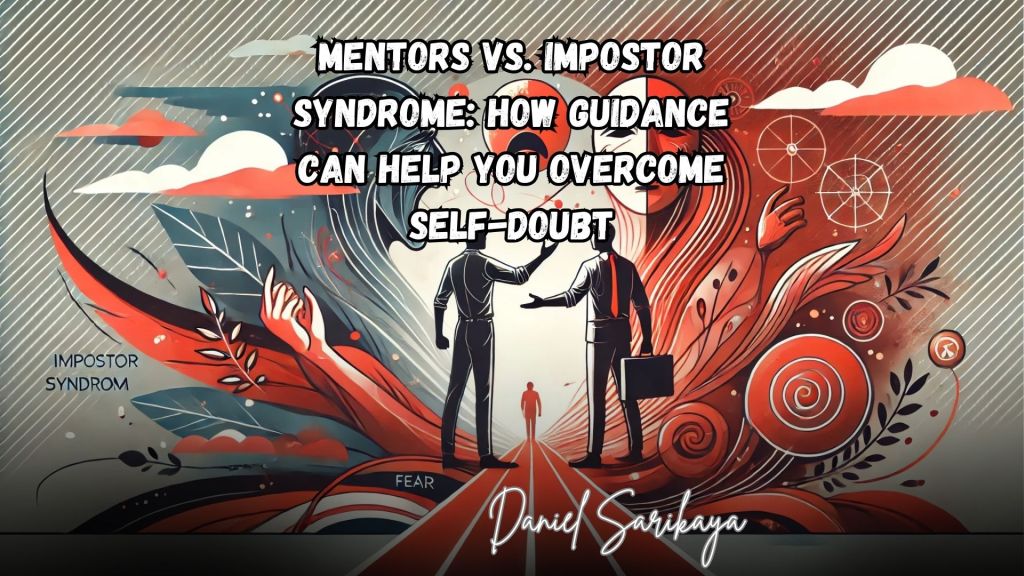
By Daniel Sarikaya
Are you constantly battling the gnawing sensation of self-doubt, feeling as though you are merely masquerading in your professional life? You are not alone. The phenomenon known as impostor syndrome affects individuals from all walks of life, instilling a relentless fear of being exposed as a fraud. Fortunately, the pathway to overcoming this crippling mindset often lies in the invaluable support of a mentor. In this blog, we will explore the vital role mentorship plays in navigating impostor syndrome, empowering you to reclaim your confidence and step boldly into your true potential.
Understanding Impostor Syndrome
Impostor syndrome is a psychological pattern that leads individuals to doubt their accomplishments, attributing their successes to luck rather than their own skill or talent. This inner turmoil can significantly hinder professional growth and personal satisfaction. Here are a few common signs of impostor syndrome:
- Feelings of inadequacy: You might find yourself constantly questioning your capabilities.
- Discounting praise: When others compliment you, you dismiss their observations as unfounded.
- Fear of failure: The paradox is that the fear of failure often results in paralysis, preventing you from seizing opportunities.
- Overachieving: Many with impostor syndrome strive for perfection, setting unrealistically high expectations.
The Power of Mentorship
Mentorship serves as a guiding light on your journey through self-doubt. A mentor offers not just their wisdom but also a fresh perspective, enabling you to see beyond your self-imposed limitations. Mentors can be invaluable in the following ways:
1. Providing Validation
Having someone who believes in your capabilities can help alleviate feelings of inadequacy. A mentor’s validation of your skills can serve as a counterbalance to the negative self-talk that characterises impostor syndrome.
2. Offering Constructive Feedback
Mentors provide crucial feedback, helping you identify areas for improvement while reinforcing your strengths. This constructive dialogue can facilitate personal and professional growth.
3. Sharing Experiences
A mentor can share their own experiences with impostor syndrome, illustrating that even the most successful individuals have grappled with self-doubt. This shared vulnerability can be incredibly reassuring.
4. Encouraging Risk-Taking
One of the most significant roadblocks created by impostor syndrome is avoidance of challenges. A mentor can encourage you to step beyond your comfort zone, transforming feelings of fear into opportunities for growth.
Steps to Cultivate a Mentorship Relationship
Now that we understand the significant impact of mentorship, how can one go about cultivating a beneficial relationship? Here are actionable steps to take:
- Identify potential mentors: Look for individuals within your field whose work you admire and whose values align with yours.
- Be proactive: Reach out to them with a genuine message expressing your admiration and your desire to learn from their journey.
- Establish clear goals: Be specific about what you hope to achieve from the mentorship. This will make the experience more focused and fruitful.
- Communicate openly: Transparency is critical. Voice your struggles with impostor syndrome and how you believe guidance could help you. Your mentor may be experiencing similar challenges.
- Show gratitude: Always express appreciation for their time and insights. This strengthens the relationship and fosters a positive mentorship dynamic.
Overcoming Impostor Syndrome Together
Your journey through impostor syndrome doesn’t have to be a solitary one. A mentor can offer the reassurance, encouragement, and constructive criticism necessary to guide you along this path. By building a solid mentoring relationship, you will not only gain valuable insights but also enhance your self-esteem and confidence in your abilities.
Concluding Thoughts
In the battle against impostor syndrome, mentorship emerges as a powerful ally. By seeking guidance from those who have walked a similar path, you can unlock the door to self-acceptance and confidence. Remember, you are deserving of success, and with the right mentorship, you can transform self-doubt into unshakeable belief in yourself. Embrace your journey, and allow your mentor to illuminate the path forward.
Join the conversation and share your thoughts! How have mentors influenced your success? Let’s connect on social media!
#Mentorship #ImpostorSyndrome #SelfDoubt #ConfidenceBuilding #ProfessionalGrowth #MentorGuidance #OvercomingChallenges #PersonalDevelopment #CareerGrowth #DanielSarikaya #Dansarikaya
 Daniel Sarikaya
Leave a comment