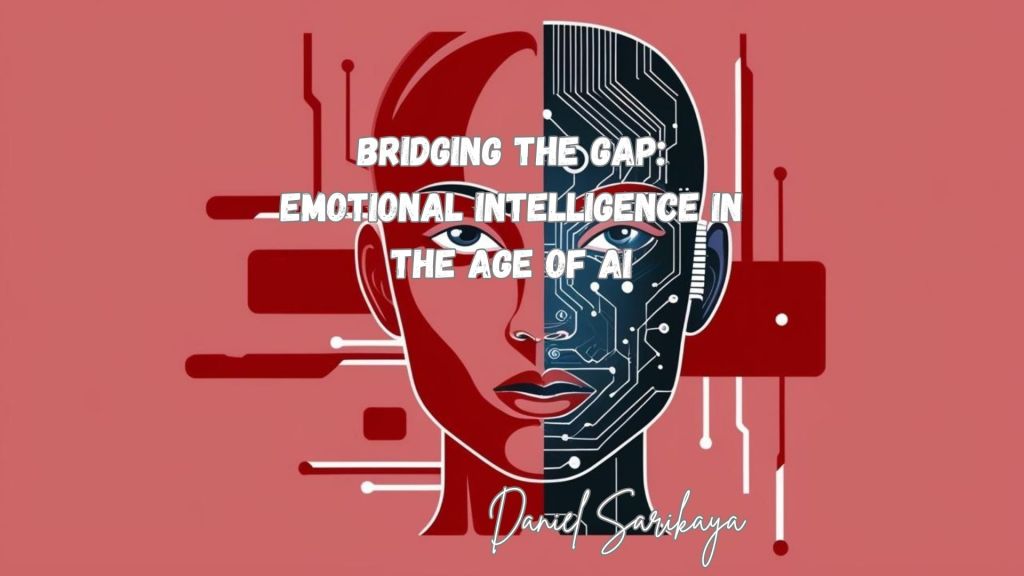
By Daniel Sarikaya
In an age where algorithms dominate every aspect of our lives, it is essential to explore the inherent gaps in artificial intelligence’s ability to capture emotional intelligence. While AI can process extensive amounts of data and recognise patterns, the heart of human interaction—our emotions—remains largely inscrutable to machines. This blog will elucidate why understanding emotional intelligence is not merely a supplementary skill, but rather a critical element of effective leadership and interpersonal connections.
The Complexity of Human Emotions
Humans experience a magnificent array of emotions influencing their decisions and interactions. From elation to despair, the spectrum of feelings can be difficult to articulate and even more challenging for algorithms to comprehend. Notably, emotional intelligence encompasses:
- Self-awareness: Recognising one’s own emotions and their impact.
- Self-regulation: Managing one’s feelings and controlling impulses.
- Empathy: Understanding others’ emotions and responding appropriately.
- Social skills: Building relationships and creating networks.
The Limitations of Algorithms
While AI can identify sentiment through language analysis and facial recognition technologies, it operates strictly within the confines of data. Here are several limitations of AI in capturing emotional intelligence:
1. Lack of Context
Emotions are often influenced by context, cultural norms, and historical significance, aspects that AI struggles to integrate. For instance, humour can vary vastly across different cultures, and what is humorous in one context may be offensive in another. AI’s inability to perceive nuance leads to inaccuracies in emotional assessment.
2. Absence of Authenticity
Algorithms can simulate discussions, but they lack the depth of human authenticity. This absence means that while an AI may deliver a comforting message, it does not possess the emotional resonance that comes from authentic human expression.
3. Challenges in Emotional Nuances
Human emotions are not binary; they exist on a spectrum. AI’s reliance on simple logic may fail to capture the subtlety needed to decipher complex emotional states, from ambivalence to mixed feelings, ultimately complicating its interactions with individuals.
The Importance of Emotional Intelligence in Leadership
Now, more than ever, emotional intelligence is a vital competency for leaders. It encapsulates the ability to inspire trust, communicate effectively, and foster an environment of collaboration. Leaders who resonate with their teams elevate performance and morale. Conversely, algorithms cannot replace the human touch required for:
- Building rapport
- Conflict resolution
- Motivating teams
- Cultivating a positive company culture
Emotional Intelligence: A Competitive Edge
Leaders equipped with emotional intelligence foster teams that are better at problem-solving, more innovative, and more engaged. Recognising and effectively managing emotions results in:
- Enhanced communication and clarity
- Increased employee satisfaction and retention
- Improved decision-making processes
Strategies for Developing Emotional Intelligence
To thrive in a landscape influenced by AI, individuals and organisations must prioritise emotional intelligence. The following strategies can aid in cultivating this valuable skill:
1. Practice Self-Reflection
Regular self-examination allows individuals to understand their emotions better, leading to improved self-awareness. Journaling or meditation can be positive tools for this practice.
2. Cultivate Empathy
Engaging in active listening and striving to understand the perspectives of others fosters empathy. Acknowledging emotions in conversations can significantly enhance relational dynamics.
3. Develop Communication Skills
Articulating emotions requires practice. Regularly engaging in dialogues with colleagues and friends can increase emotional vocabulary and understanding.
The Future of AI and Human Emotion
AI will undoubtedly continue its ascent, but the gap between algorithms and emotional intelligence will remain. Acknowledging this disparity, organisations should focus on leveraging the strengths of both AI and human intelligence. For instance, AI can perform data analysis while humans interpret the findings, contextualising them within the emotional framework critical for effective decision-making.
Collaboration: The Best Approach
The path forward is one of synergy—a collaboration between human capabilities and technological advancements. As we embrace both, the future may hold exciting possibilities, allowing us to enhance leadership development and interpersonal relationships while upholding the inherent value of emotional intelligence.
Conclusion
As we traverse an ever-evolving landscape dominated by algorithms, let us not lose sight of the human factor—our emotions. Emotional intelligence remains an indispensable asset for effective leadership and meaningful connections. By bridging the gap between AI and emotional understanding, we position ourselves to lead with authenticity and compassion, ultimately paving the way for a more connected future.
Embrace your emotional intelligence; it is your superpower in a world governed by algorithms!
#EmotionalIntelligence #Leadership #AI #BusinessStrategy #HumanConnection #EmotionalAwareness #TeamDynamics #AIChallenges #FutureOfWork #SelfDevelopment #danielsarikaya #dansarikaya
Read More Blogs:
Thick Skin, Big Wins: Why Taking Rejection Personally Holds You Back
Beyond the Lid: How Embracing Growth Unlocks Unparalleled Leadership Opportunities
Why Athletes Make the Best Entrepreneurs: Lessons from the World of Sports
Raising the Lid: Practical Steps to Expand Your Leadership Potential
From Mentee to Mentor: The Full Circle of Personal Growth Through Mentorship
 Daniel Sarikaya
Leave a comment