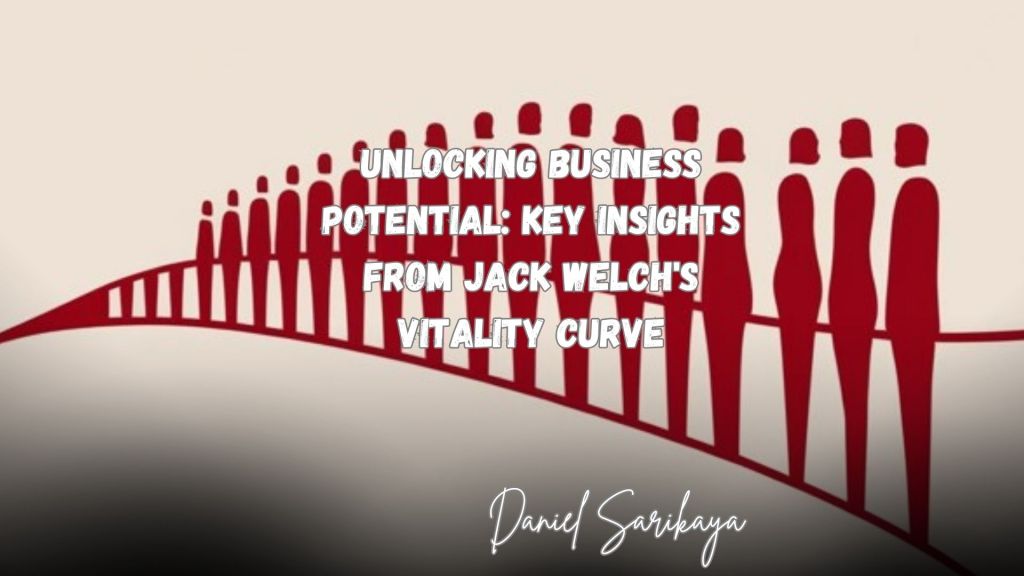
By Daniel Sarikaya
In an age where business landscapes evolve rapidly, the key to staying ahead lies in understanding and leveraging the strengths of your team.
One of the most influential concepts to emerge in corporate strategy is the Vitality Curve, introduced by Jack Welch during his tenure at General Electric. This groundbreaking model categorises employees based on their contributions, ultimately assisting leaders in making informed decisions about talent management.
Join me as I summarise the essential takeaways from the Vitality Curve concept, offering insights that can help you optimise productivity and drive sustainable growth within your organisation.
What is the Vitality Curve?
The Vitality Curve is a talent evaluation framework that divides individuals within an organisation into three distinct categories:
- Top Performers: These individuals consistently exceed expectations and drive results.
- Middle Performers: Competent yet lacking the innovation and initiative demonstrated by top talent.
- Low Performers: Individuals who struggle to meet standards and may inhibit team progress.
Key Takeaways from the Vitality Curve
1. Performance Evaluation is Critical
Regularly assessing the performance of your team not only identifies top talent but also shines a light on areas that require improvement. This systematic evaluation fosters a culture of accountability and drives overall productivity.
2. Investing in Development
Once individuals are categorised, it’s essential to invest in training and development programmes tailored to each group.
Top performers should be challenged with leadership roles, whereas middle and low performers should be guided through continuous learning opportunities.
This not only helps elevate their capabilities but also empowers them to contribute to the organisation’s long-term success.
3. Fostering a Healthy Competitive Environment
Welch’s philosophy encourages healthy competition among employees. By openly recognising top performers, organisations can motivate others to aspire for excellence. However, it is crucial to develop a supportive framework that ensures competition does not detract from teamwork.
4. Making Tough Decisions
One of the most difficult aspects of the Vitality Curve is the need to make tough calls on low performers. While it may be uncomfortable, parting ways with individuals who do not align with the company’s goals is vital for maintaining a high-performance culture.
5. Aligning Talent with Business Strategy
Utilising the Vitality Curve allows leaders to align talent with the organisation’s strategic intent. By categorising employees, businesses can ensure that their workforce is primed to meet current and future challenges.
Implementing the Vitality Curve in Your Organisation
To successfully implement the Vitality Curve concept in your enterprise, consider the following steps:
- Establish clear performance metrics that align with your strategic objectives.
- Conduct regular performance reviews to accurately categorise teams and individuals.
- Invest in customised development plans based on employee categorisation.
- Encourage open discussions about performance and career progression.
- Foster a positive environment that embraces both competition and collaboration.
The Impact of the Vitality Curve on Business Growth
Ultimately, the Vitality Curve concept is not merely a tool for categorisation; it’s a catalyst for fostering a culture of excellence within organisations.
By understanding and acting upon the varying contributions of your team members, leaders can energise their workforce, enhance productivity, and drive sustainable growth.
Drawing from Welch’s principles, it becomes clear that an organisation’s success is inextricably linked to its people.
Conclusion
The Vitality Curve concept offers invaluable insights into effective talent management and performance evaluation.
For leaders aiming to cultivate an empowered workforce, embracing this model can facilitate a roadmap toward transformative change and sustainable success.
As we continuously strive for excellence, let us not forget that our greatest asset is the people within our organisations.
Join the Conversation
What strategies do you utilise to evaluate and develop talent within your organisation? Share your thoughts and experiences in the comments below!
#VitalityCurve #JackWelch #LeadershipDevelopment #TalentManagement #EmployeePerformance #SustainableGrowth #WorkplaceCulture #TeamProductivity #DanielSarikaya #DanSarikaya
Read More Blogs:
Thick Skin, Big Wins: Why Taking Rejection Personally Holds You Back
Beyond the Lid: How Embracing Growth Unlocks Unparalleled Leadership Opportunities
Why Athletes Make the Best Entrepreneurs: Lessons from the World of Sports
Raising the Lid: Practical Steps to Expand Your Leadership Potential
From Mentee to Mentor: The Full Circle of Personal Growth Through Mentorship
 Daniel Sarikaya
Leave a comment